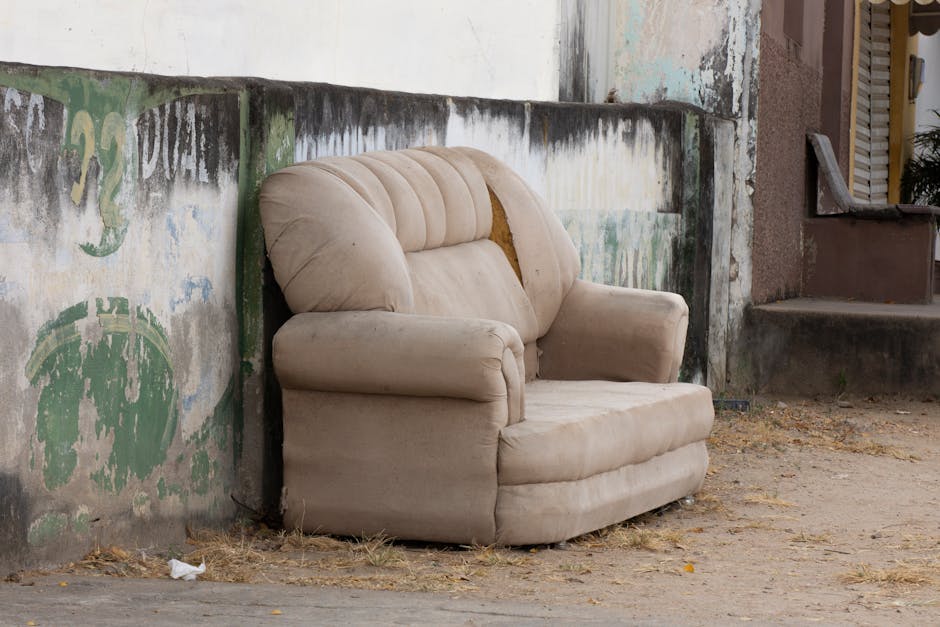
What Westminster Council requires for furniture disposal
If you are trying to work out what Westminster Council requires for furniture disposal, you are probably dealing with a bulky item that is awkward, heavy, or just in the way. A sofa in the hallway. A bed frame leaning against the wall. A wardrobe that looked fine in the flat until you had to move it out. Let's face it, furniture disposal is rarely the glamorous part of clearing a home.
The good news is that the process becomes much easier once you understand the rules, what counts as acceptable disposal, and which options are genuinely practical in Westminster. This guide breaks it down in plain English: what the council typically expects, how collection and disposal usually work, what to watch out for, and when a professional service may save you time, stress, and a sore back.
We'll also cover the common mistakes people make, the checks worth doing before anything goes outside, and how to avoid creating a fly-tipping problem by accident. Small detail, big headache if you get it wrong.
- Why it matters
- How it works
- Key benefits and practical advantages
- Who this is for and when it makes sense
- Step-by-step guidance
- Expert tips for better results
- Common mistakes to avoid
- Tools, resources and recommendations
- Law, compliance, standards, or best practice
- Options and comparison table
- Case study or real-world example
- Practical checklist
- Conclusion
- Frequently asked questions
Why What Westminster Council requires for furniture disposal Matters
Furniture disposal sounds straightforward until you actually try to do it. Then the details matter. In Westminster, as in other parts of London, the way you dispose of bulky furniture affects not only convenience, but also safety, environmental impact, and whether you end up with an avoidable charge or enforcement issue.
The main reason this matters is simple: furniture is rarely just "rubbish". Sofas, armchairs, tables, mattresses, shelving, and wardrobes can need specific handling because of their size, materials, and condition. Some items can be reused, some recycled, and some must go through a formal disposal route. If you leave something on the street too early, or in the wrong place, it can become a nuisance very quickly. And no one wants a note from the council or a complaint from the neighbours on a damp Thursday morning.
There is also a practical side. If you know the council's expectations in advance, you can plan the removal properly. That means fewer surprises, less lifting, less waiting around, and a cleaner finish. To be fair, that alone is often worth it.
Expert summary: The safest approach to furniture disposal in Westminster is to confirm the collection route first, prepare items correctly, and choose a disposal method that matches the size, condition, and urgency of the furniture.
For many households, that decision starts with understanding whether the item is suitable for council collection, donation, reuse, or a private clearance service. Westminster-specific requirements may change over time, so checking the current council guidance before moving anything is always the sensible first step.
How What Westminster Council requires for furniture disposal Works
At a practical level, furniture disposal in Westminster usually follows a few common routes. You may arrange a council bulky waste or large-item collection, use a reuse or donation option if the item is in good condition, or book a private removal service if the furniture needs to go quickly or includes multiple items.
The council route is generally intended for bulky household items that cannot be placed in normal household waste containers. That usually includes items such as sofas, beds, wardrobes, tables, chairs, bookcases, and some white goods, although the exact acceptance criteria depend on the item and the service rules in place at the time.
What the council tends to care about is whether the item is safe to collect, whether it is prepared properly, and whether it fits the service rules. That usually means:
- the item is placed where collection crews can access it safely
- it is ready by the required collection time
- it is not mixed with prohibited waste
- any disassembly requested by the service has been completed, where needed
- the booking details match the item type and quantity
In some cases, a collection may be limited to the curbside or a ground-floor access point. If you live in a flat, mansion block, or basement property, that access question matters more than people expect. Narrow hallways, stairwells, and parking restrictions can turn a ten-minute job into a proper obstacle course.
Private furniture removal works differently. Instead of booking the council's process, you arrange a collection time, the team lifts items from inside the property if required, and the furniture is sorted for reuse, recycling, or disposal. Many people choose this when they have multiple pieces, need flexibility, or simply do not want to wrestle a heavy sofa through a tight communal entrance.
For readers comparing options, our furniture disposal service and furniture clearance pages explain the wider removal options in a practical, no-nonsense way. If you are dealing with a single sofa, you may also find our sofa removal and sofa removal and collection services useful.
One thing people often miss is timing. If the furniture is due out of a property after a tenancy ends, after a refurbishment, or before a move, the removal plan should be set before the last-minute panic kicks in. A half-dismantled wardrobe at 8pm the night before checkout is not a fun story. We have all seen that look.
Key Benefits and Practical Advantages
Understanding the Westminster approach to furniture disposal gives you more than compliance. It makes the whole job less painful, both literally and mentally.
- You avoid fines, complaints, or fly-tipping issues. Proper disposal means the item leaves through an approved route rather than being abandoned nearby.
- You save time. Once you know what is required, you can prepare items once instead of moving them around repeatedly.
- You reduce physical strain. Furniture is awkward, and some items are heavier than they look. That extra chair somehow weighs as much as a piano in practice.
- You improve recycling and reuse outcomes. Good furniture can sometimes be reused rather than sent straight to disposal.
- You make the property easier to hand over. This is especially useful for rentals, estate clearances, or sales.
- You get cleaner access and better planning. Crews can work more efficiently when the item is ready and the route is clear.
There is also a quieter benefit: less stress. People often underestimate the mental load of bulky waste. A sofa blocking a room makes the whole place feel unfinished, and that can be surprisingly distracting. Once it is gone, the room feels different straight away. Lighter. More usable.
For people managing bigger clearances, this ties in well with wider services like house clearance, flat clearance, or home clearance. If your furniture disposal is part of a larger job, it is usually best to plan the whole clearance together rather than tackling one item at a time.
Who This Is For and When It Makes Sense
This topic matters to a broad mix of people. In Westminster, that often includes residents in flats, tenants ending a tenancy, landlords preparing a property, homeowners replacing old furniture, and business owners clearing offices or reception areas.
You may need to think about the council's furniture disposal requirements if you are:
- replacing a sofa, bed, wardrobe, or dining set
- clearing furniture after a move
- emptying a rented property between occupiers
- disposing of damaged or broken items
- managing an estate or probate clearance
- clearing office furniture after refurbishment
- trying to avoid clutter in a small flat or shared property
It also makes sense when the item is too large for normal waste collection, too awkward for a car boot trip, or simply too much to break down and transport yourself. If you live near a busy Westminster street, there is also the simple reality of access. You may not want to drag a heavy bed base past parked cars, tight pavements, and a queue of people with coffee in hand. That is just asking for trouble.
For property managers and landlords, furniture disposal is often more than a housekeeping task. It becomes part of turnover planning, void-period control, and making sure the place is ready for the next occupant. If that is your situation, services such as property clearance or probate clearance may be more appropriate than a single-item collection.
Step-by-Step Guidance
If you want a smooth disposal process, a bit of structure goes a long way. Here is a practical way to approach it.
- Identify the item clearly. Note what it is, how many pieces there are, whether it is assembled, and whether it can be split down.
- Check condition. Is it reusable, damaged, dirty, or broken? That affects whether reuse, recycling, or disposal is the best route.
- Confirm the disposal route. Decide whether council collection, donation, or private removal is the right fit.
- Measure access. Check doorways, stairwells, lifts, corridors, and parking or loading restrictions.
- Prepare the item. Remove cushions, empty drawers, take off loose parts, and secure anything sharp or unstable.
- Book the collection. If using a council or private service, give accurate details so the crew arrives prepared.
- Place it correctly. Follow the collection instructions exactly, especially if the item must go outside by a certain time.
- Keep proof if needed. For landlord, lease, or business records, note the booking reference, receipt, or confirmation.
If the furniture is large, do not wait until the last minute to find out it does not fit through the door. That moment has a habit of arriving with perfect comedic timing. You think it will "probably be fine", and then it absolutely is not.
For mixed-load jobs, furniture removal can be combined with general rubbish clearance or bulky waste collection. Our bulk waste collection, bulky waste collection, and large item collection pages may help if you are sorting several items at once.
Expert Tips for Better Results
A few small habits make a big difference. The people who have the easiest furniture disposal experience are usually the ones who prepare properly, not the ones who try to improvise on the day.
- Photograph the item before collection. This helps with quoting, planning, and record-keeping.
- Measure everything twice. Door widths, lift sizes, stair landings, and the item itself. Especially wardrobes. Wardrobes love being one centimetre too wide.
- Separate reusable from non-reusable items. Good-condition items may be suitable for reuse or resale, while damaged furniture usually needs a disposal route.
- Remove personal items first. It sounds obvious, but drawers and under-sofa spaces have a way of hiding things you forgot about.
- Disassemble only when it helps. Some items are easier to move in sections; others become more awkward if dismantled badly.
- Check for special materials. Upholstery, foam, wood, metal, and mixed materials may be treated differently in disposal and recycling streams.
- Ask about reuse and recycling. A good operator should be able to explain what happens next in a simple way.
If you are clearing an office or a commercial space, it is worth planning furniture disposal alongside wider waste handling. Our office clearance, commercial waste collection, and business waste removal pages may be useful starting points.
A small but useful tip: keep hallways clear before the crew arrives. Shoes, umbrella stands, plant pots, bikes, delivery boxes - they all become trip hazards at exactly the wrong moment. One clean route saves a lot of back-and-forth.
Common Mistakes to Avoid
Most furniture disposal problems are not dramatic. They are just annoying, preventable, and slightly expensive if handled badly. Here are the usual culprits.
- Leaving furniture out too early. This can create obstruction, complaints, or missed collection issues.
- Assuming every item can be collected the same way. Sofas, mattresses, wardrobes, and broken chairs can each need different handling.
- Not checking access. A lift that is too small or a staircase that turns sharply can stop a collection in its tracks.
- Mixing furniture with unsuitable waste. Paint tins, electrical items, and loose rubbish may not belong in the same load.
- Forgetting about tenancy or building rules. Some blocks require advance notice for removals or restrict collection times.
- Using an unverified disposal route. If a collector cannot prove proper disposal, you may still carry the risk if items are dumped illegally.
That last one matters more than people think. If a deal sounds too cheap to be true, it may well be. A responsible disposal service should be transparent about what happens to your furniture and where it goes.
If you are dealing with an old mattress along with the furniture, it is often worth sorting that as a separate item. Our mattress disposal and mattress removal and collection pages are useful if that is part of your job too.
Tools, Resources and Recommendations
You do not need specialist equipment to dispose of furniture properly, but a few basic tools make the process easier and safer.
- Measuring tape: essential for access checks and lift/stair measurements.
- Screwdriver or hex key set: useful for disassembling beds, shelving, and flat-pack furniture.
- Heavy-duty gloves: helpful for lifting, handling sharp staples, and avoiding splinters.
- Furniture blankets or wraps: useful when moving items through tight communal areas.
- Trolley or sack truck: helpful for heavier pieces where access allows.
- Labels or tape: handy for marking items that must not be taken accidentally.
For larger clearances, a simple room-by-room inventory is often the best resource you have. It sounds basic, but it keeps everything organised. If you are clearing more than just furniture, services like waste clearance, rubbish clearance, and waste removal can help you group the work efficiently.
It is also sensible to review a company's approach to safety and handling before booking. On this website, insurance and safety, health and safety policy, and recycling and sustainability may be relevant if you want a clearer picture of how disposal is managed.
Law, Compliance, Standards, or Best Practice
Furniture disposal is not just about tidiness. It sits inside a broader framework of waste handling, duty of care, and responsible disposal. You do not need to be a legal specialist to get this right, but a little care goes a long way.
As a general rule in the UK, waste should be transferred to an authorised carrier or disposed of through an approved route. For a homeowner or tenant, that usually means using the council service correctly, taking items to the appropriate facility if you are allowed to do so, or hiring a legitimate disposal company with a clear process.
Best practice usually includes:
- ensuring the furniture is not left in a way that blocks access or creates a hazard
- checking whether the item can be reused before sending it for disposal
- keeping records for landlord, business, or estate-clearance work
- avoiding unlicensed collectors or unclear "man and van" arrangements
- separating items that may need special handling, such as upholstered furniture, mattresses, or damaged materials
For businesses, the compliance side tends to matter even more. Offices often have a duty to document how their furniture and waste were removed, especially when clearing fixtures, desks, cabinets, or storage items. Commercial settings may also need to think about data-sensitive items, access control, and building management permissions. It sounds bureaucratic, and yes, some of it is. Still, it is far easier to plan than to fix after the fact.
In a Westminster setting, the practical rule is simple: do not guess. If the item is awkward, mixed-material, or part of a larger clearance, confirm the right route before moving it out. That one decision saves most of the headaches.
Options, Methods, or Comparison Table
If you are deciding how to deal with furniture in Westminster, the main options are usually council collection, private clearance, donation or reuse, and self-transport where appropriate. Each has a place. The best one depends on the item, urgency, and access.
| Method | Best for | Strengths | Limitations |
|---|---|---|---|
| Council collection | Standard bulky household furniture | Familiar route, suitable for simple household disposal | May involve booking rules, collection windows, and access limits |
| Private clearance service | Multiple items, urgent jobs, difficult access, larger clearances | Flexible timing, inside-property lifting, broader service scope | Cost varies depending on load size and labour |
| Reuse or donation | Items in good condition | Useful for sustainability and extending item life | Not suitable for damaged, dirty, or unsafe furniture |
| Self-transport | People with the right vehicle and access to appropriate disposal points | Can be efficient for a single manageable item | Requires lifting, transport space, and correct disposal knowledge |
If you need a more general sort-out, wider services like council rubbish collection, council waste collection, and council large item collection may also be relevant depending on what you are trying to remove.
For many Westminster residents, the real choice is not "which disposal method is technically possible?" but "which one will actually get the furniture out without wrecking my weekend?" A fair question, really.
Case Study or Real-World Example
Imagine a typical Westminster flat clear-out. A tenant is moving out at the end of the month and needs to remove a two-seater sofa, a bed frame, and a small bookcase. The sofa is on the second floor, the stairwell is narrow, and the lift is small enough to make everyone nervous. Nothing is broken, but the items are bulky enough to make solo removal a bad idea.
In that situation, the first sensible step is to check whether the items are suitable for reuse or council collection. If the sofa is clean and usable, reuse may be possible. If the furniture is worn, mismatched, or needs to be out by a hard deadline, a private clearance service may be the better fit.
By measuring the stair turns and preparing the bed frame in advance, the resident avoids a failed collection attempt. Cushions are removed, drawers are emptied, and small screws are bagged and taped to the furniture where appropriate. On collection day, the route from the front room to the door is clear, no one is tripping over shoes, and the job gets done in one visit.
That is the difference planning makes. Not dramatic. Just calm, efficient, and much less sweaty.
If the same flat also had a fridge, a mattress, and a pile of mixed waste, the better option would probably be to combine the work with a fuller clearance service such as waste collection or rubbish removal. One visit, one plan, far fewer loose ends.
Practical Checklist
Use this quick checklist before any furniture disposal in Westminster. It saves time, and it catches the small things people tend to forget.
- Have I identified every item that needs to go?
- Is the furniture reusable, recyclable, or only suitable for disposal?
- Have I checked the current council rules or collection requirements?
- Do I know whether the item must be placed outside, at ground level, or collected from inside?
- Have I measured doors, stairs, lifts, and routes?
- Have I removed personal items, cushions, drawers, and loose fittings?
- Do I need tools for dismantling or safe lifting?
- Have I booked the right service for the number and size of items?
- Is the access route clear on the day?
- Have I kept any booking confirmation or receipt I may need later?
If you are dealing with a whole-property job, you may also want to review house clearances, house clearance Westminster, or office clearances to see which wider service fits best.
Conclusion
Understanding what Westminster Council requires for furniture disposal is mostly about being organised, checking the right route, and making sure the item is prepared properly. Once you know whether the furniture should go through council collection, reuse, or a private clearance service, the whole process becomes far less stressful.
The real win here is not just getting rid of an old sofa or an oversized wardrobe. It is doing it safely, responsibly, and without creating a second problem for yourself later. That is what good furniture disposal looks like: practical, tidy, and handled with a bit of care.
If you are planning a furniture removal in Westminster, start with the item itself, the access, and the deadline. That simple approach will usually point you in the right direction. And once it is done, the room feels lighter straight away - a small thing, maybe, but a genuinely nice one.
Get a free quote today and see how much you can save.
Frequently Asked Questions
What is the usual way to dispose of furniture in Westminster?
The usual options are council bulky-item collection, reuse or donation if the item is in good condition, or a private furniture removal service. The best route depends on the item's size, condition, and how quickly it needs to go.
Does Westminster Council collect sofas and beds?
Council collection services commonly deal with bulky household items like sofas and beds, but the exact acceptance rules and booking requirements can vary. It is always safest to check the current service details before booking.
Do I need to dismantle furniture before disposal?
Not always. Some items can be collected as they are, while others are easier and safer to move if partially dismantled. If a service asks for dismantling, follow that instruction carefully.
Can I leave furniture on the pavement outside my property?
Only if the collection method specifically allows it and you have followed the placement instructions. Leaving items out too early or in the wrong place can cause obstruction and may lead to complaints or enforcement issues.
What if my furniture is still in good condition?
If it is clean and usable, reuse or donation may be a better option than disposal. That said, not every item is suitable for reuse, especially if it is damaged, heavily worn, or no longer safe.
Is there a difference between bulky waste and furniture disposal?
Yes, there can be. Furniture disposal is a specific part of bulky waste handling. Bulky waste may also include other large household items, so the exact service and rules may differ depending on what you are removing.
What happens if the furniture does not fit through the door or lift?
That is where access planning becomes important. Measure in advance, check the route, and if needed choose a service that can help with dismantling or inside-property collection.
How can I tell if a disposal company is legitimate?
Look for clear pricing, a proper process, safety information, and an explanation of where the waste goes. A responsible provider should not be vague about collection or disposal arrangements.
Can I combine furniture disposal with other rubbish removal?
Yes, often you can. In many cases it is more efficient to clear furniture together with other bulky waste, especially if you are dealing with a move, refurbishment, or estate clearance.
What should landlords do when tenants leave furniture behind?
Landlords should document the items, check access, and choose a disposal route that fits the property turnover timeline. For larger jobs, a full property clearance is often more practical than handling each piece separately.
Is furniture disposal different for flats compared with houses?
Yes, usually. Flats often involve tighter access, lifts, shared entrances, and building rules, so planning matters more. Houses are often easier to access, but heavy items can still need careful handling.
Can old furniture be recycled?
Sometimes, yes. Much depends on the materials and the condition of the item. Mixed materials and damaged upholstery may limit what can be recycled, but good operators should aim to separate reusable and recyclable parts where possible.
What is the smartest first step if I need furniture gone quickly?
Start by listing the items, checking access, and deciding whether they are reusable or need disposal. If time is tight, a private clearance service is often the quickest route because it can usually work around your schedule.
What if I only have one item to remove?
Even a single item can be worth arranging properly, especially if it is heavy or awkward. A sofa, wardrobe, or bed base can be much harder to move than people expect, so one-item collections are very common for a reason.