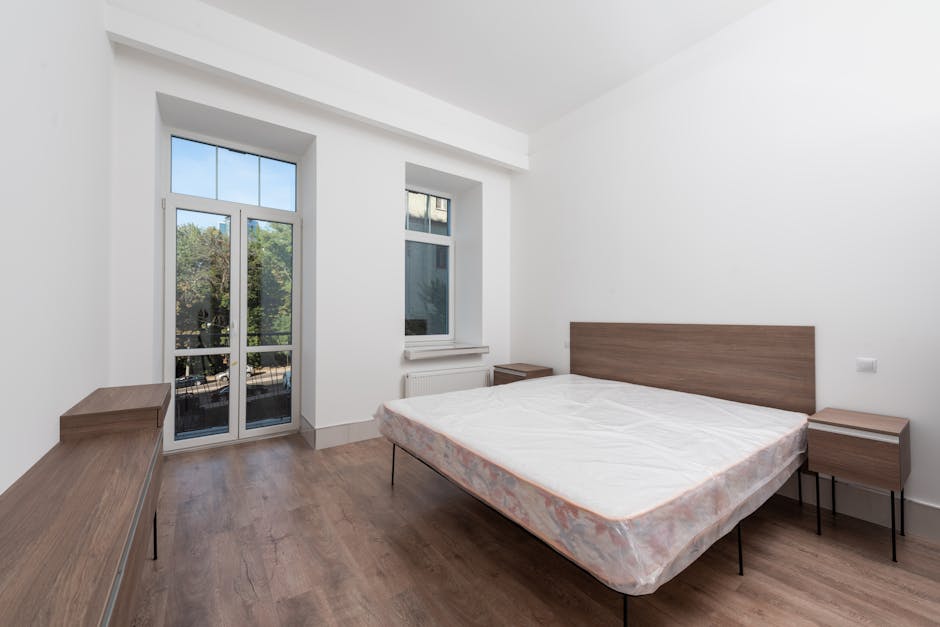
House clearance in London

We provide house clearance in London for homes, flats and inherited properties that need items removed in a tidy, organised way. The service is built around clear decisions: what stays, what is taken away, what can be recycled and what needs specialist handling. That makes it suitable for full-property clearances as well as smaller jobs such as one room, a loft, a garage or a partial clear-out before decorating, moving or letting a property.
Our work covers furniture, white goods, general household contents and mixed rubbish, with the aim of leaving the space ready for its next use. Where items can be separated for reuse or recycling, we do that as part of the process rather than treating everything as one category. If you are comparing options, our pricing and quotes page is a useful place to begin, because the final cost is shaped by the amount, type and access involved.
The right clearance plan depends on the property and the contents. A Victorian terrace, a purpose-built flat and a probate property all call for different levels of sorting and lifting, and each may include awkward access, fragile belongings or bulky pieces that need careful moving. Our approach is practical and measured: we focus on the items, the access and the disposal route, then carry out the work in a way that keeps disruption to a sensible level. For an initial discussion, just request a quotation.
What our house clearance service covers
House clearance is not simply a matter of loading everything into a vehicle. It often involves identifying items that can be kept aside, moving larger furniture without damaging walls or floors, and separating recyclable materials from mixed household waste. We handle those stages as part of one organised service, which helps when a property contains both everyday possessions and items that need a more careful approach. The result is a cleaner handover and a more efficient use of space.
In many homes, there are also practical questions about what should be cleared first. Some customers want large items removed before smaller loose contents are sorted. Others prefer a room-by-room process so that paperwork, personal effects and reusable items can be checked before disposal. We can work to either approach, provided the plan is clear at the outset. If you are comparing related options, our home clearance service is a useful starting point for broader domestic jobs, while a more targeted clearance may be better suited to a single property type.
Typical household items we are asked to remove include sofas, beds, wardrobes, tables, appliances, boxed possessions, bags of miscellaneous items and general rubbish. Where needed, we can also clear items from loft spaces, garages and outbuildings as part of the same visit. A concise inventory, a few photographs and a note about access are often enough to help shape the quotation, but there is no need to over-prepare. What matters most is a clear picture of the work.
Furniture, appliances and bulky items

Bulky objects often define the pace of a house clearance because they are heavier, awkward to turn and more likely to require careful movement through shared areas. Sofas, wardrobes, chests of drawers, dining sets, mattresses and white goods are common examples. Our furniture clearance work is designed around those practical demands, so items can be removed without turning the job into a drawn-out dismantling exercise unless dismantling is genuinely needed.
When appliances are involved, handling needs to stay sensible and safe. Fridges, freezers, washing machines and other white goods may need to be disconnected, moved upright or separated from surrounding cabinetry before they can be taken away. Not every item is treated the same way, and that distinction matters when planning the work. For more detail on how those items are grouped, our white goods recycle page explains the relevant service category, while a dedicated appliance removal can also sit within a wider property clearance.
If furniture has to be removed from upstairs rooms, through narrow staircases or from properties with limited parking, those access conditions should be included in the quotation request. That is not about creating extra administration; it simply helps us plan the lift, the order of removal and the likely time needed. For anyone dealing with large single items rather than a full clearance, our large item collection page may also be useful as a related option.
Room-by-room clearance for lofts, garages and storage areas
Not every project involves a complete property. Many customers need targeted help with the spaces that have collected the most stored items over time. A loft may contain boxes, seasonal belongings and old furniture. A garage might hold mixed household goods, broken equipment and paint tins. These spaces often need a slower, more selective approach because the value of the contents is harder to judge at a glance.
We can clear these rooms as part of a larger house clearance or as stand-alone jobs when only one area needs attention. If the property includes a packed loft or an overfilled garage, it is usually best to identify any items that must remain in place before the clearance begins. That keeps the work focused and avoids accidental removal of belongings that are still needed. Where the property is part of a larger domestic clean-out, our loft clearance and garage clearance pages show how those rooms can be handled separately.
The main benefit of a room-specific clearance is control. You can keep personal or high-value items back while moving on the rest. This is especially helpful when storage areas have been used for years and the contents include a mix of useful items, obsolete belongings and general waste. We can work through the space methodically so that the final result is easier to assess and easier to hand over.
Handling mixed waste and items for disposal

Many house clearances contain more than furniture. There may be bagged rubbish, broken household items, packaging, old fixtures or miscellaneous waste that no longer has a practical use. Rather than treating these as an afterthought, we separate them into the most suitable disposal routes available. That includes ordinary rubbish, recyclable materials and items that require special handling because of their size or composition.
For customers who mainly need waste removed rather than a full property clearance, it can be helpful to compare the relevant service pages. Our waste removal page covers a broader mixed-waste service, while our rubbish clearance page is a straightforward option for general domestic waste. If recycling is a priority, our recycling and sustainability page sets out the wider approach used across the business, including the separation of suitable materials where this is practical.
There are occasions when mixed waste is concentrated in one part of a property, such as a shed, basement or spare room. In those cases, the clearance can be planned around the contents rather than the room label. That flexibility matters, because a property does not always fall neatly into one category. It is often the mix of items that determines the method, and a sensible method keeps the work orderly from start to finish.
Probate and sensitive clearances
Some clearances call for a more careful tone because they involve a property belonging to someone who has died, or a home where the contents are being sorted by family members, executors or solicitors. These jobs can require extra time for decisions about what to keep, what to pass on and what to remove. In those situations, the practical side of the clearance is only part of the task; the process also needs to be respectful and straightforward.
We can support probate-related work where items need to be cleared in stages or where the property must be prepared for sale, valuation or handover. If you need a more defined probate service, our probate clearance page and our probate house clearance page describe related options for this type of work. The exact scope can vary from a few key rooms to the whole property, depending on what the family or estate representative has decided.
Useful preparation is usually limited to the essentials: confirm who can authorise the work, identify anything that must stay, and note any access issues such as keys, parking or lift use. That keeps the arrangement clear without asking families to produce a long schedule. Where multiple rooms contain a mixture of papers, keepsakes and furniture, the safest method is to agree the order of clearance before items are moved.
Commercial spaces, offices and business premises

Although the headline service here is domestic, many customers also need clearance from business premises. Office furniture, filing units, desks, chairs, broken IT equipment and general workplace waste can accumulate quickly, particularly during relocations or refurbishments. Clearing that material needs a different rhythm from a home because the contents are often more uniform, but access, sorting and disposal still require planning.
For commercial customers, it may be more appropriate to use a service designed around offices or mixed business waste. Our office clearance page and our commercial waste collection page are the main related destinations for that work. If the focus is on ongoing removal rather than a one-off clear-out, our business waste removal page gives a wider view of that option. These pages are useful where the contents are less domestic and more work-related.
Commercial clearances usually benefit from a short note about floor level, loading access and the type of materials stored on site. That is enough to shape the visit and keep the service efficient. The same principle applies in mixed-use buildings, where household items and workplace furniture may both be present. A good plan reduces delays, especially when corridors, reception areas or shared entrances must remain usable during the removal.
How to prepare for a quotation
Good quotations are usually built on simple, concrete information. You do not need to turn the enquiry into a long project brief; a clear description of the rooms, the approximate volume of items and any awkward access points is usually enough to begin. If possible, note whether there are stairs, whether parking is restricted and whether any items require dismantling before removal. That lets the price reflect the actual work rather than a guess.
Photographs can be helpful, especially where the contents are spread across several rooms or where bulky items block the view of what is behind them. They do not need to be perfect, and they are not a substitute for a proper conversation about the clearance. In many cases, a short exchange and a few images will be enough to establish the likely scale. If you already know you need a straightforward cost outline, the pricing and quotes page remains the best place to start.
Two practical points make the process smoother: keep aside anything you want to retain, and mention anything that could affect lifting or loading. That includes heavy wardrobes, unusually narrow stairs, basements, top-floor flats, or items that may need to be broken down before removal. Clear information at the beginning tends to produce a more accurate quotation and a better planned visit.
Price factors, access and disposal routes
The price of a house clearance is usually influenced by the amount of material, the kind of items being removed and the access to the property. A small number of bulky pieces can take more effort than a larger quantity of light waste, particularly if the items are difficult to carry or cannot be moved intact. The mix of contents matters as much as the total size, because different materials may need different handling and disposal routes.
Access is another significant factor. A ground-floor room with clear parking nearby is generally simpler than a property with multiple flights of stairs, limited waiting space or a long carry distance to the vehicle. These are not complications in themselves; they are just the practical details that shape the visit. Customers comparing wider disposal services may also find our waste disposal page and our bulk waste collection page helpful when the job is more about materials than the whole property.
Where items can be separated for reuse, recycling or specialist disposal, that also affects how the work is organised. Some clearances include only a few reusable pieces alongside general waste; others are almost entirely made up of disposal-bound items. Either way, an accurate picture of the contents helps us choose the right method and avoid unnecessary handling. If you are ready to move forward, ask for a quotation today.
About London
London is one of the world’s great cities, shaped by layers of history that run from the Roman settlement of Londinium through to its modern role as the capital of the United Kingdom. The River Thames remains central to its geography, curving through the city and linking districts that developed at very different times. Historic streets, royal parks, civic buildings and commercial centres sit side by side, often within a short journey of one another, which is part of the city’s distinctive character. Westminster, the City, South Bank, Camden, Greenwich and Kensington each have recognisable identities, yet they also belong to a wider urban landscape defined by movement, density and constant change. The built environment is equally varied: medieval churches, Georgian terraces, Victorian warehouses, post-war estates and contemporary towers can all appear in a single day’s walk. Major landmarks such as the Houses of Parliament, St Paul’s Cathedral, the Tower of London and the museums of South Kensington reflect the city’s national and international significance, while places like Hyde Park, Regent’s Park, Hampstead Heath and Richmond Park provide broad open space within the urban fabric. London’s cultural life is similarly wide-ranging, with theatres, galleries, markets, music venues and local high streets contributing to its day-to-day rhythm. Transport corridors including the Underground, rail terminals and river crossings connect its many districts, and borough boundaries often overlap with older place names that remain in common use. The result is a city that is both sprawling and intensely local, where neighbourhood identity continues to matter even within a metropolis of many millions.
Domestic spaces and the order of a clear-out
Homes often contain more categories of items than they first appear to. A room can hold furniture, loose belongings, archived paperwork, broken household goods and items set aside for donation. That is why a house clearance works best when it is carried out in a sensible order. First, the items to keep are protected. Next, the larger pieces are removed. Finally, the remaining loose material is sorted for disposal or recycling. That sequence keeps the task under control.
It is also useful to decide whether the clearance needs to happen all at once or in stages. Some properties are easiest to clear in one visit, particularly when the contents are already grouped. Others benefit from a slower approach, especially if family members still need time to check cupboards, drawers or storage boxes. If the property includes more than one level, a room plan can help the work progress without confusion. For related domestic services, our flat clearance page and our house clearance page are relevant destinations to compare.
In practical terms, the main aim is to leave the property ready for whatever happens next, whether that is sale, letting, renovation or personal use. Different properties require different levels of sorting, but the underlying method stays the same: identify the contents, remove them carefully and dispose of them through the right route. That is what makes a domestic clearance useful rather than simply fast.
Arrange the right clearance for your property

When you are choosing a clearance service, the best starting point is the shape of the job. A single bulky item, a cluttered loft, a probate property and a mixed household clear-out all need slightly different planning, even though they may end with the same outcome: a property that is ready for the next stage. We keep the service focused on the actual contents, the access available and the disposal route that fits the material.
That approach is especially helpful in London, where properties vary widely in size, layout and storage capacity. A compact flat may need careful handling in a shared building; a larger house may include several rooms, outbuildings and stored items that have to be sorted separately. If you want to compare the core service with related options, our waste clearance page and our property clearance page are useful linked pages for broader removals, while specialist pages remain available for more defined jobs.
Ready to get started? Send through a few details and request a quotation. If you already know the rooms involved, the main items and any access limits, that is enough to begin. We will then shape the job around the property and the materials, with the aim of making the process straightforward from first enquiry to final removal.